Scroll
Towards Fostering an Ecosystem of a Uniform Global Human Rights and Social Justice Framework
Dedicated to Four Landmark Commemorations:
75th Anniversary of the Schuman Declaration
80th Commemoration of the United Nations
40th Solemn Commemoration of the Chernobyl Nuclear Disaster
150th Birth Commemoration of Birsa Munda and Sardar Vallabhbhai Patel
Gallery
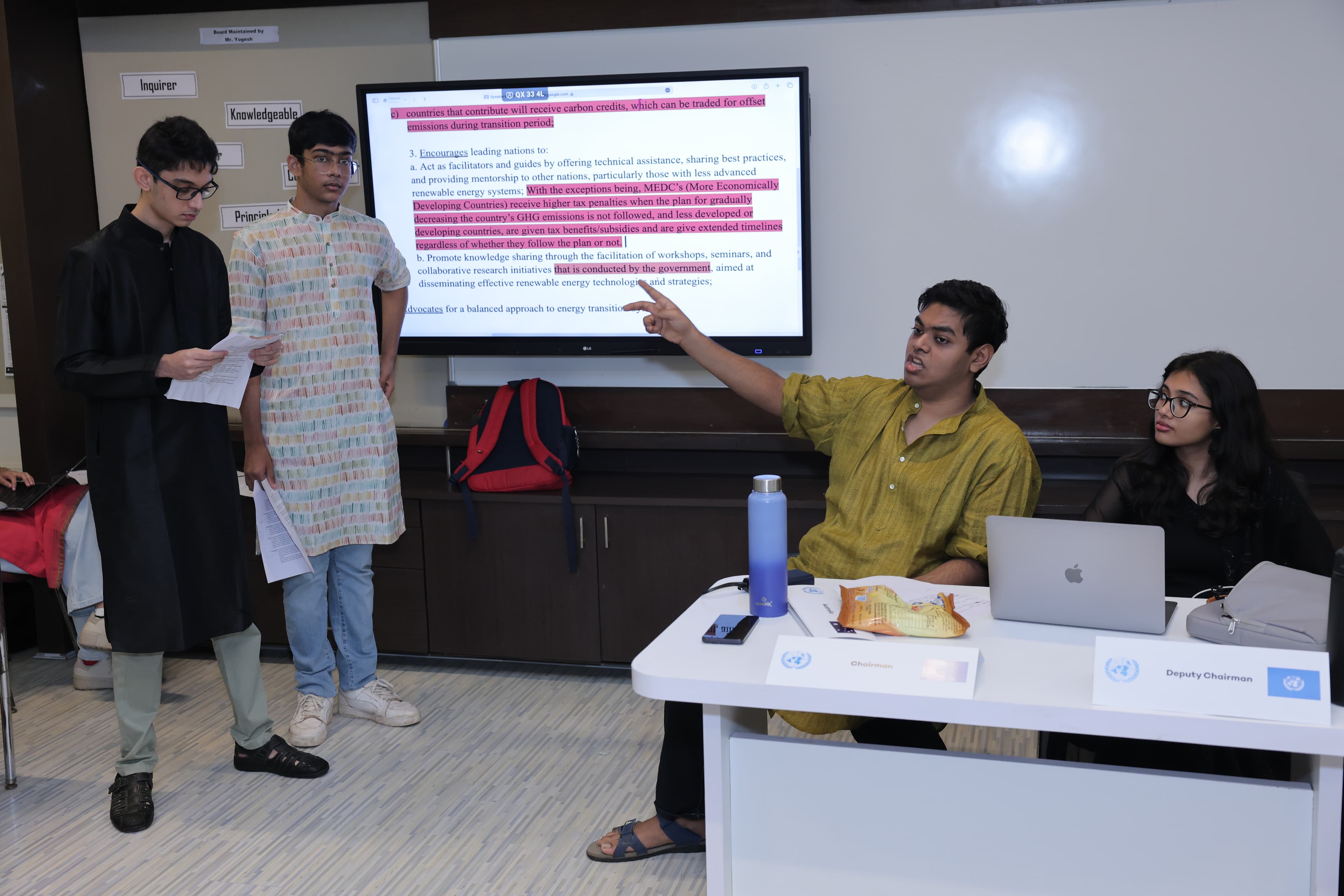
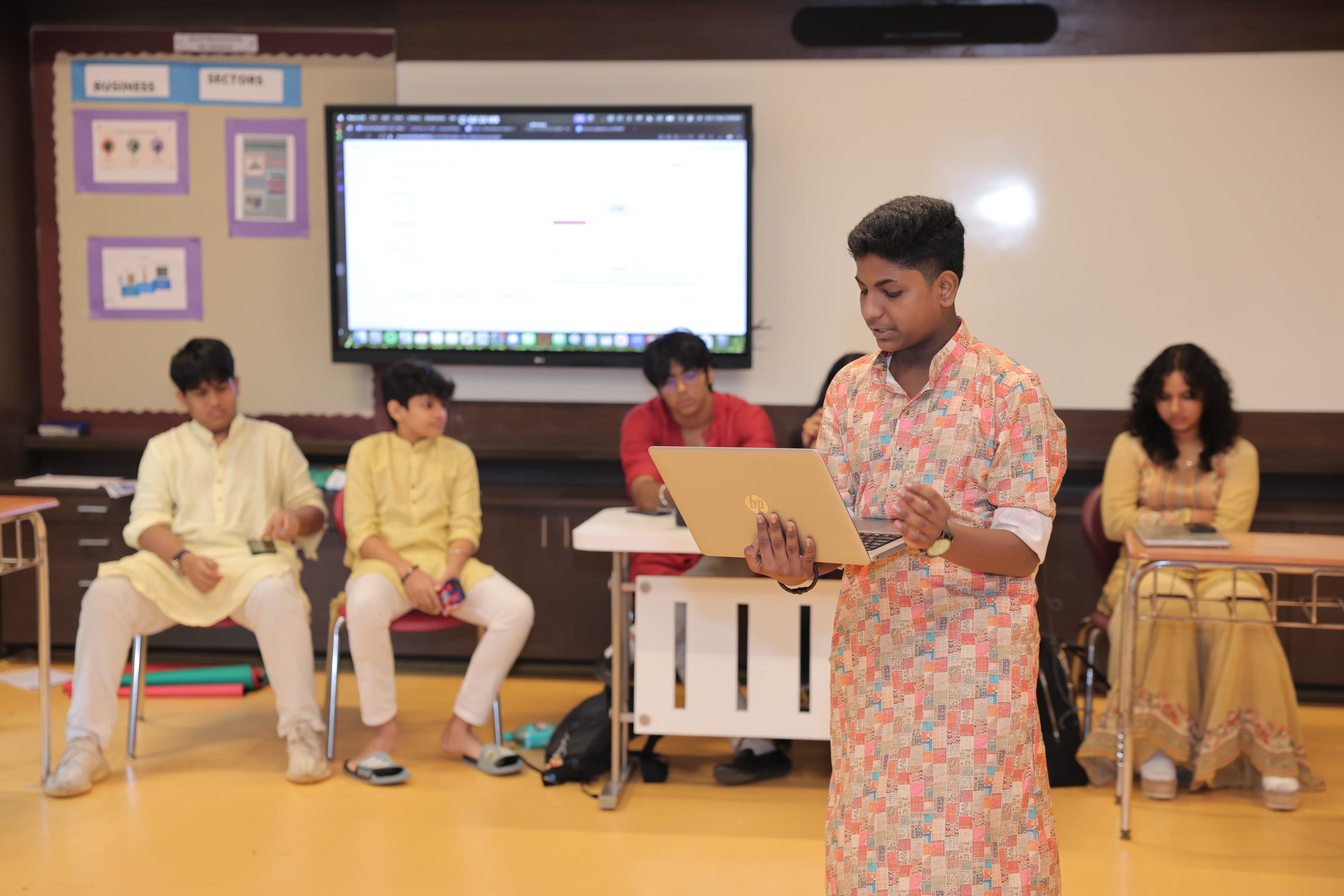
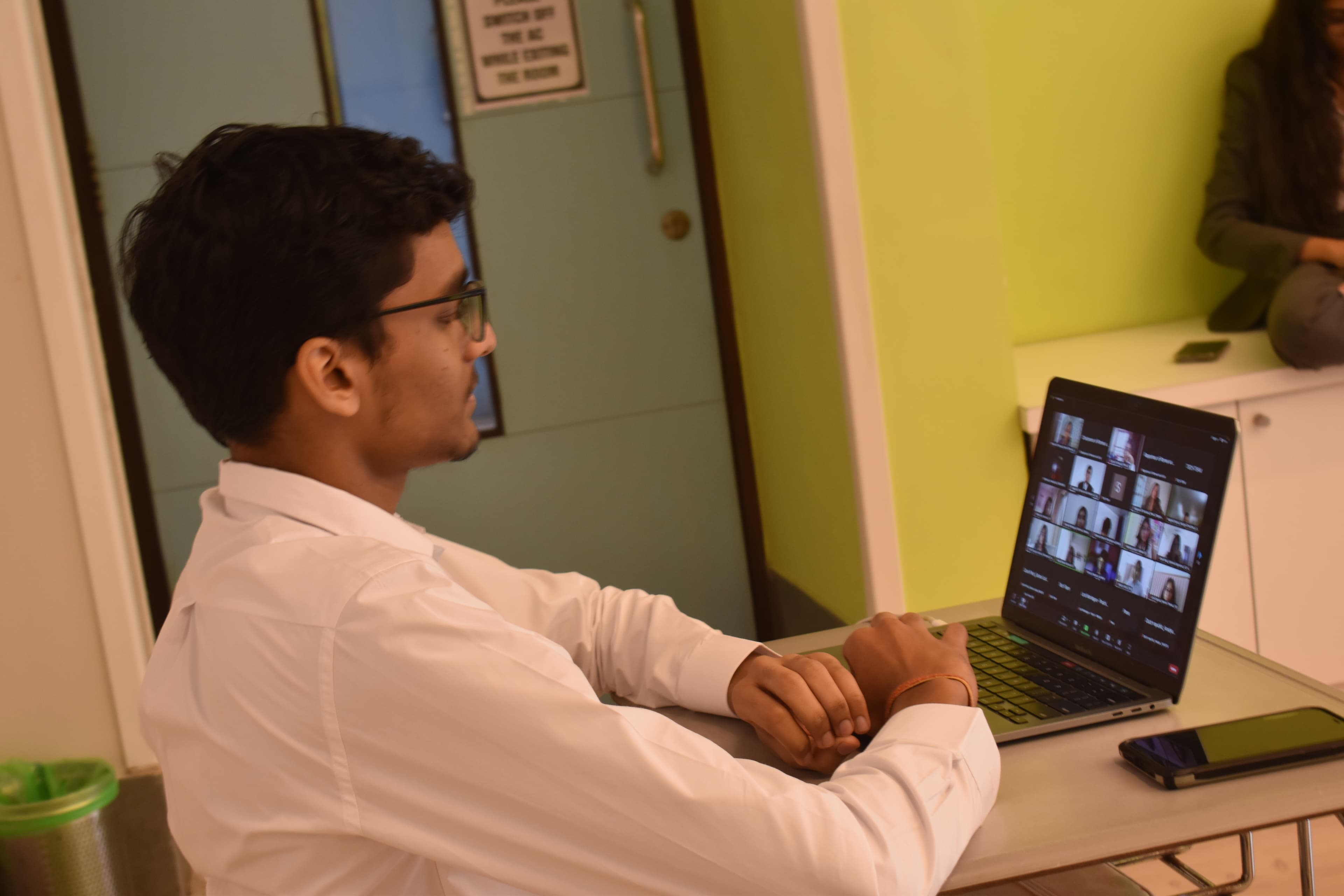
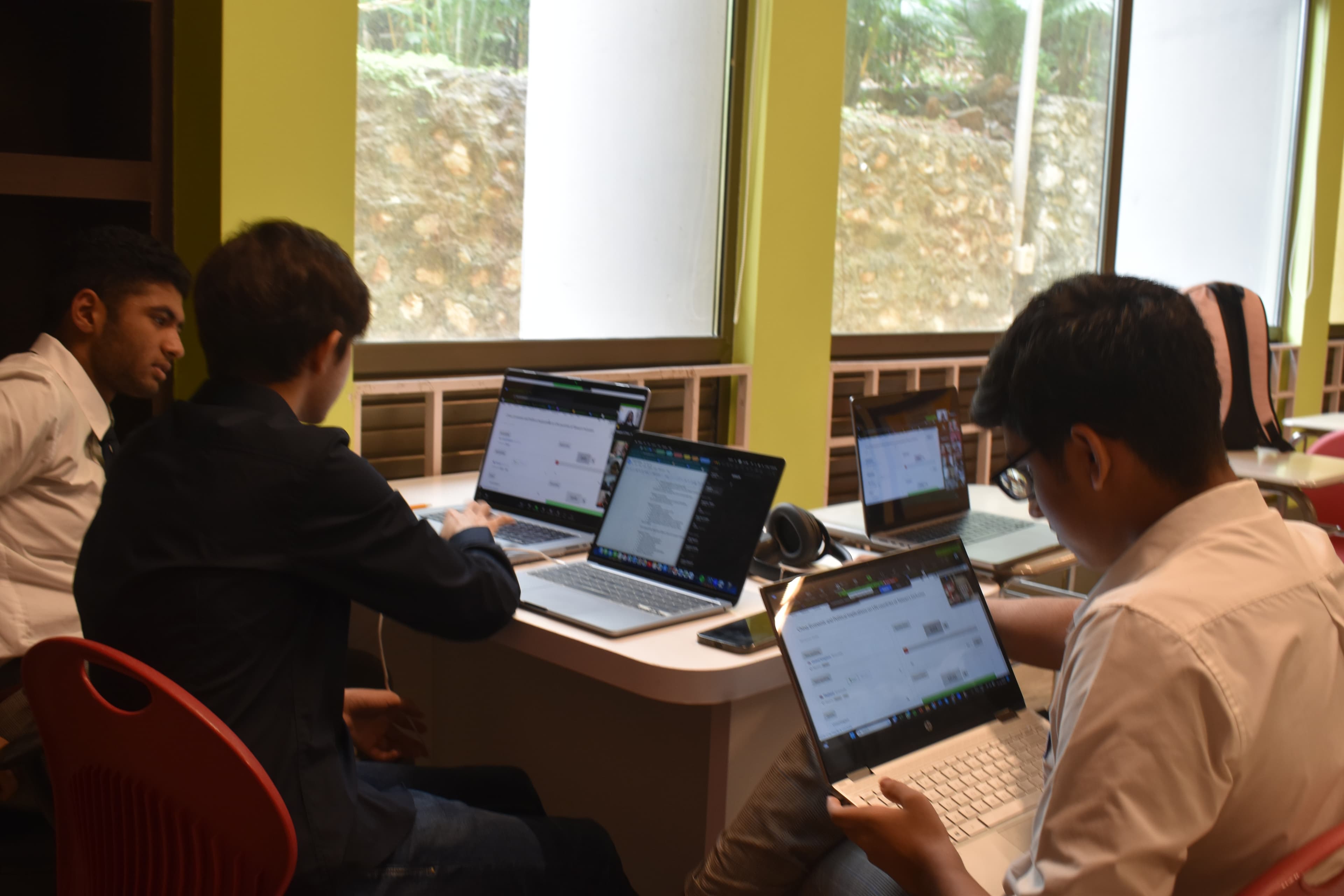
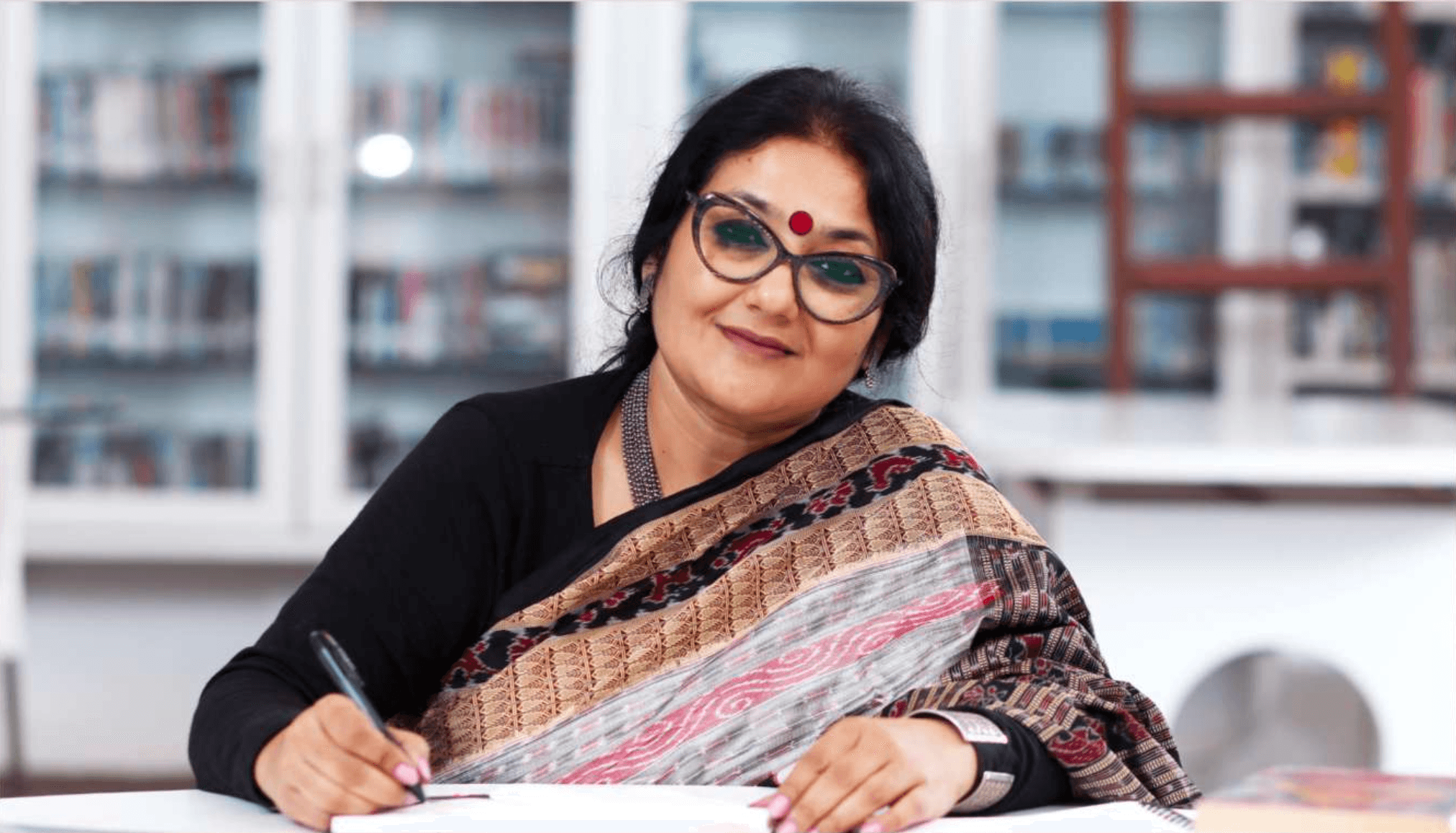
Shaping Global Citizens
A Message from the Director
It gives me great pleasure to present the 17th Edition of the Singapore International School Model United Nations (SISMUN). This year’s theme — “Towards Fostering an Ecosystem of a Uniform Global Human Rights and Social Justice Framework” — urges us to reflect deeply on the world we aspire to build: one where rights are universal, justice is unwavering, and human dignity is non-negotiable. More than a simulation, SISMUN serves as a dynamic platform where young minds confront global challenges with intellectual rigour, moral conviction, and diplomatic responsibility.
Echoing the vision of the current United Nations Secretary-General, António Guterres, who has urged the world to “recommit to the purposes and principles of the UN Charter” and restore faith in multilateralism, SISMUN 2026 stands firmly for solidarity, accountability, and sustainable progress. His call to defend human rights, strengthen international cooperation, and uphold peace resonates deeply with our theme—reminding us that dialogue, justice, and collective action are not optional, but essential.
The committees of SISMUN 2026 are thoughtfully crafted to reflect both contemporary urgency and historical depth. The General Assembly (GA4) will address the question of self-determination in Somaliland and the decolonisation of natural resources in the Horn of Africa—core issues that challenge notions of sovereignty, political legitimacy, and economic justice in post-colonial societies.
The Security Council will examine the far-reaching global consequences of the war in Ukraine, including its impact on food security, energy stability, and international security credibility. It will also address the humanitarian crisis in Yemen, urging delegates to propose effective and accountable pathways toward peace and stability.
The Economic and Social Council will address food insecurity in conflict-affected Sudan and South Sudan, while also deliberating on equitable water sharing in South Asia’s trans-boundary rivers—balancing humanitarian needs, environmental protection, and regional diplomacy.
The Human Rights Council will examine the impact of socio-political instability and conflict on the rights of gender-divergent individuals in the Middle East, while also addressing the protection of democratic institutions and human rights amid civil unrest in Nepal.
The Historical Security Council will revisit pivotal moments such as the Cuban Missile Crisis and the situation in East Pakistan, encouraging delegates to reflect on how historical decisions continue to shape modern principles of deterrence, sovereignty, and self-governance.
DISEC will deliberate on regulating Lethal Autonomous Weapon Systems and the military use of artificial intelligence, addressing the ethical challenges posed by emerging technologies. The International Criminal Court will examine accountability in the Rohingya crisis and the Venezuelan political situation, reaffirming the importance of international justice. UNEP will focus on ecosystem degradation in the Bay of Bengal Islands, highlighting the urgency of climate action and sustainable development.
These agendas are intentionally rigorous, demanding thorough research, independent thought, and disciplined diplomacy under the THIMUN Rules of Procedure. SISMUN is not merely a forum for debate, but a training ground for principled leadership and global awareness.
As we welcome schools from diverse institutions, we anticipate thoughtful and respectful deliberations. We hope SISMUN 2026 inspires every participant to rise beyond rhetoric and emerge as responsible advocates of peace, justice, and sustainable progress.
“Education is the most powerful weapon which you can use to change the world.”— NELSON MANDELA
I look forward to welcoming you all to the 17th anniversary of SISMUN Conclave.
SHARONEE MULLICK
School Director,
Singapore International School
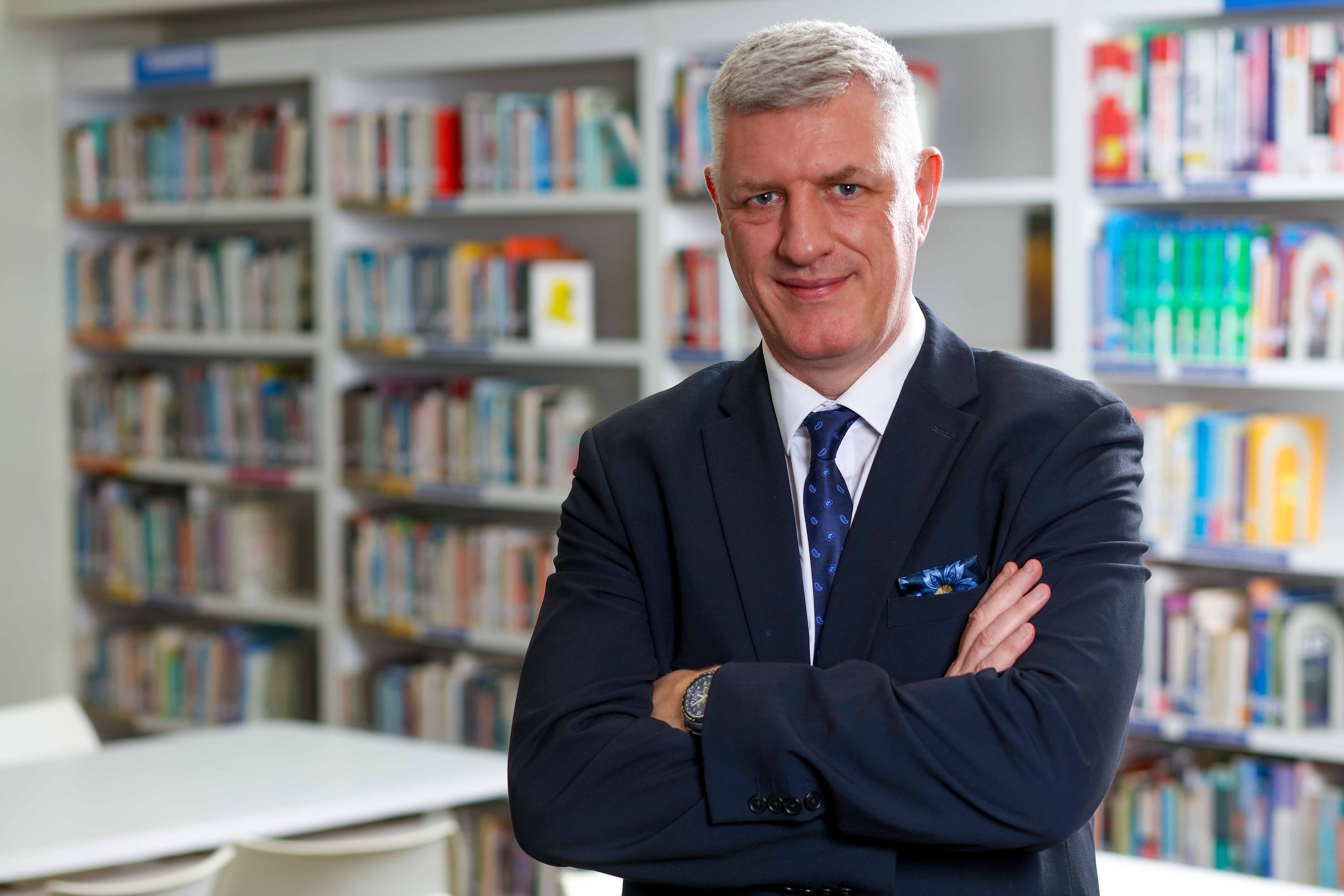
Leading with Purpose
A Message from the Principal
History often favours the powerful. The stories that endure are usually those told by the victors, while the experiences of the marginalised are reduced, reframed, or forgotten. At SISMUN, we believe that meaningful dialogue begins by acknowledging this imbalance and by creating space for voices that are too often overlooked.
The 17th Edition of the SISMUN Conclave warmly invites schools to join a conversation shaped by this year’s theme, “Towards Fostering an Ecosystem of a Uniform Global Human Rights and Social Justice Framework.” Through debate, diplomacy, and dialogue, delegates will explore how universal principles of rights and justice can be understood, challenged, and strengthened in a complex and evolving world.
This year’s conclave is guided by four landmark commemorations that continue to shape our collective global journey.
The 75th Anniversary of the Schuman Declaration reminds us that peace is born from deliberate cooperation rather than rivalry. It highlights the enduring value of shared responsibility and structured collaboration in building equitable global systems.
The 80th Commemoration of the United Nations reaffirms the importance of multilateral dialogue. Eight decades on, the UN continues to symbolize humanity’s collective commitment to dignity, law, and universal human rights.
The 40th Solemn Commemoration of the Chernobyl Nuclear Disaster serves as a reminder that progress without accountability carries profound human and environmental costs. It underscores the need for transparency and ethical governance within global frameworks.
The 150th Birth Anniversary of Birsa Munda and Sardar Vallabhbhai Patel honours leadership grounded in unity, resilience, and justice. Their legacies remind us that inclusive and principled leadership is essential in shaping fair and stable societies.
“There’s really no such thing as the ‘voiceless’. There are only the deliberately silenced, or the preferably unheard.”— ARUNDHATI ROY
It is in this spirit that we invite your students to participate in a conclave that promotes thoughtful debate, respectful dialogue, and a deeper understanding of global issues rooted in human rights and social justice.
STEPHEN WILLOUGHBY
Principal,
Singapore International School

A Vision for SISMUN 2026
A Message from the Knowledge Resource Curator
What is history? Is it merely a collection of data, chronology, dates, timelines, and facts, or is it the study of diplomacy, subaltern voices, human experiences, wars, peace efforts, and their consequences across time? Is it a vital tool for understanding the present and shaping the future through the nuances of geopolitics? Do we gain a deeper appreciation of our mistakes, hopes, collective heritage, questions of identity and migration, and the complexities of human existence? Is history simply the past, a log of events that unfolded, or does it demand interpretation? Who unravels its dilemmas and dialectics to piece together an unbiased, coherent rendition? What is the place of the United Nations in this chronicling, and what role do media and social media play in shaping the narratives that influence both micro and grand histories?
Every generation interprets history based on its own concerns, challenges, and aspirations. Therefore, history is not a closed book; it is a continuously evolving, living dialogue between the past and the present. It helps us avoid repeating the tragic errors of our predecessors and fosters a spirit of critical inquiry—a quality essential to any robust educational framework.
The SISMUN Conclave is an ode to memory and history, carried forward by societies to transmit values and preserve the lamp of peace. Every discussion may be incomplete, yet it grounds us by dissolving boundaries as we engage with one another to better understand the present, the past, and the future. A resolution or white paper holds meaning only when it reflects sincere and rigorous deliberation. Our unique line-up of committees bridges historical continuities with present urgencies. The rest now lies with you, delegates, to make this journey engrossing, meaningful, and above all, humane.
“Information is not knowledge. Knowledge is not wisdom. Wisdom is not truth.”— PARNAB MUKHERJEE
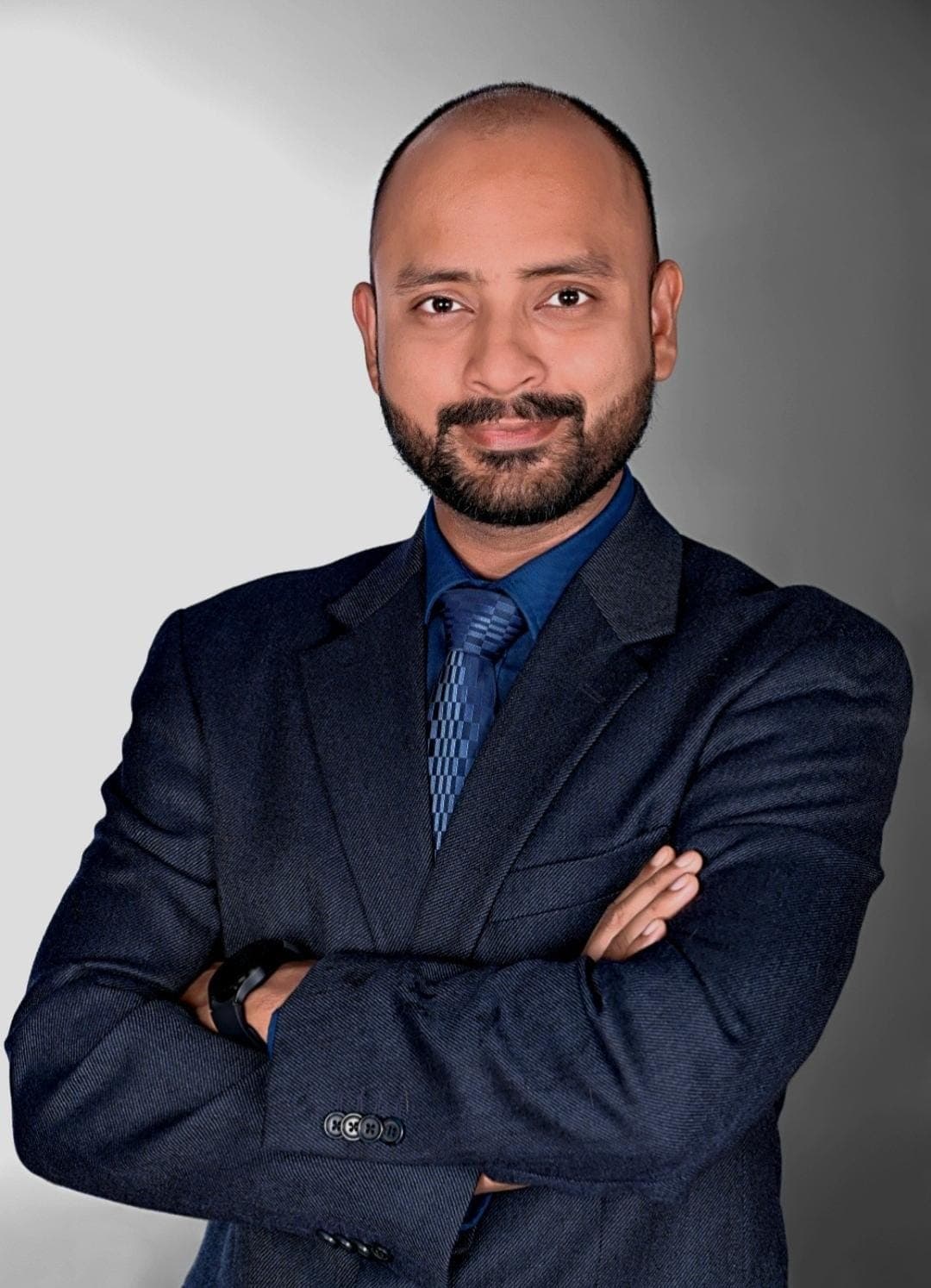
PARNAB MUKHERJEE
Knowledge Resource Curator,
SISMUN Conclave
In the Spirit of the United Nations
A Message from the SISMUN Director
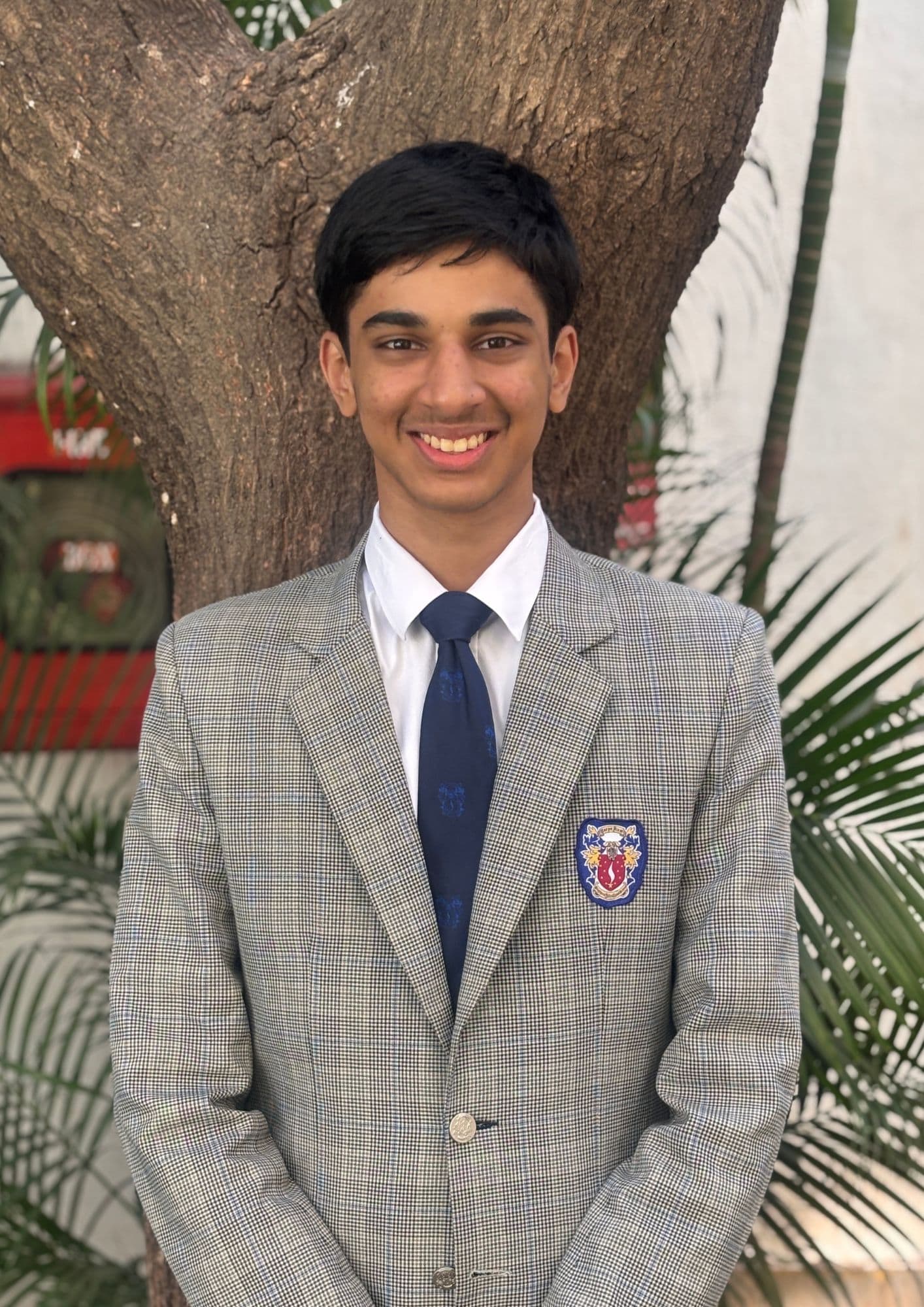
Welcome to SISMUN 2026. This year, we stand at a crossroads where diplomacy and action must meet to address the most pressing challenges of our time. Our theme, “Towards Fostering an Ecosystem of a Uniform Global Human Rights and Social Justice Framework,” is a call to all young leaders to engage in meaningful dialogue and develop sustainable solutions for the future.
At SISMUN, we believe that education is not just about academics but about empathy, critical thinking, and global awareness. Our committees have been meticulously designed to challenge you, push your boundaries, and help you emerge as the principled leaders the world needs today.
“You must be the change you wish to see in the world."— MAHATMA GANDHI
CA PUSHPENDRA BANSAL
SISMUN Director,
Singapore International School
The Secretariat
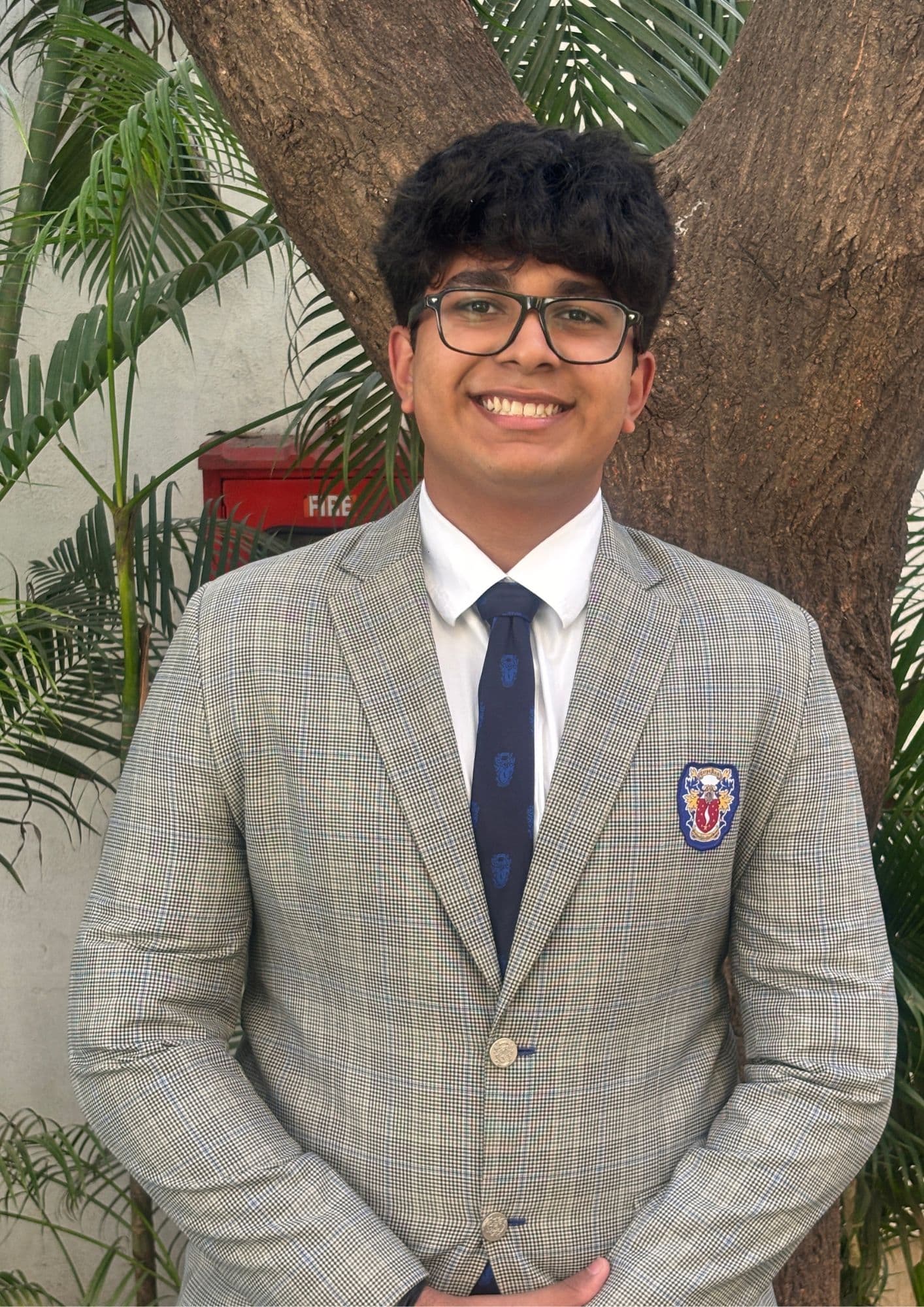
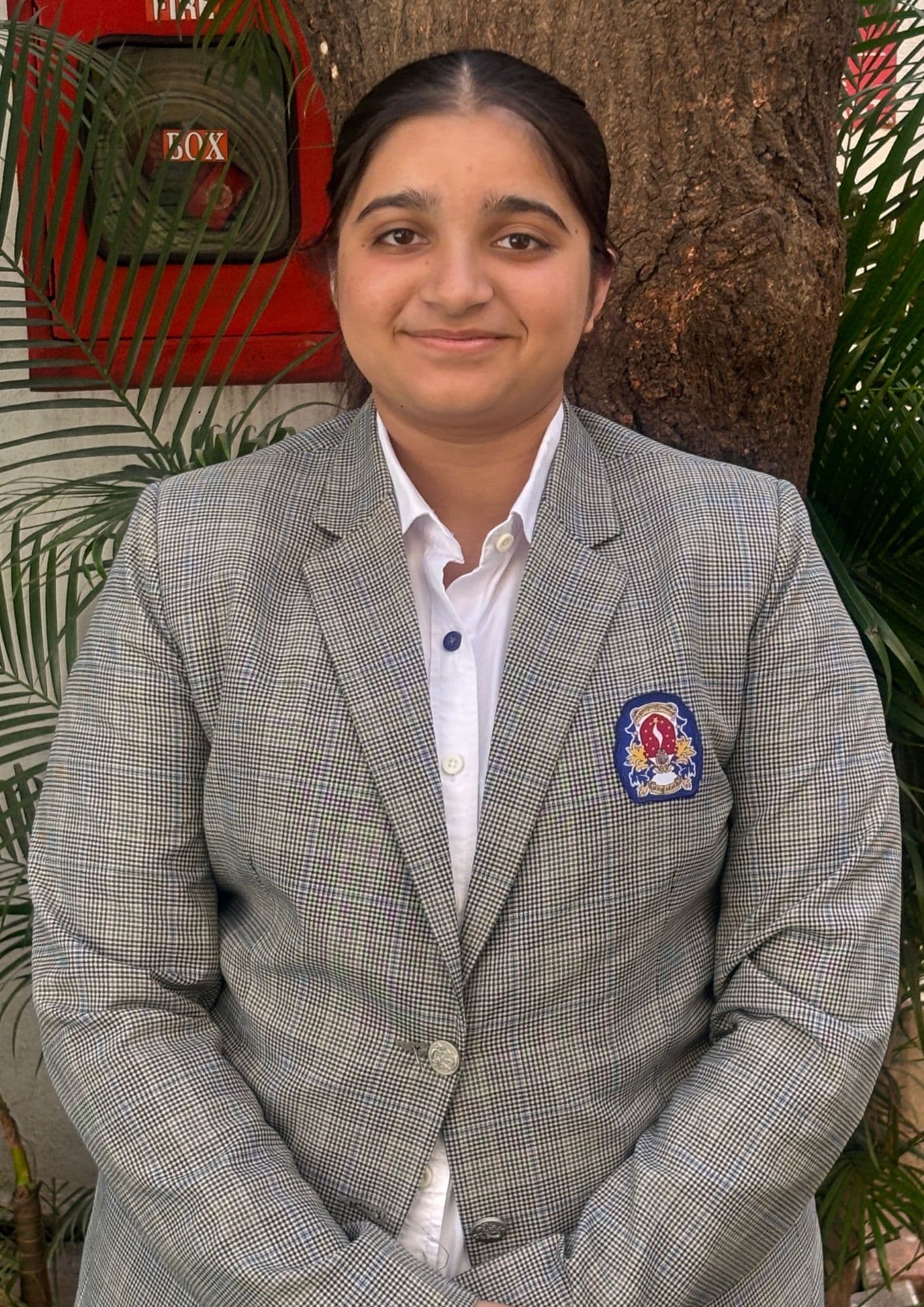
A note from the Secretariat
It is with immense pride and gratitude that we welcome you to the 17th Edition of SISMUN. What you see is more than just a platform — it is the culmination of months of planning, collaboration, late-night discussions, and a shared commitment to creating a conference that challenges, inspires, and empowers. However, no matter how detailed our preparation, a conference truly comes alive only because of its delegates — and that means you.
SISMUN has never been defined merely by formal speeches or structured debate. It is a dynamic space where ideas are tested, perspectives evolve, and confidence steadily takes shape. Some of you arrive as seasoned delegates, comfortable navigating procedure and negotiation. Others may still be waiting for the right moment to raise your placard. Both journeys are equally meaningful. Every confident diplomat once began with hesitation, carefully drafting their first speech and hoping their resolution would pass.
The true spirit of Model United Nations extends beyond committee sessions. It thrives in the hurried strategy discussions in hallways, the alliances formed during short breaks, and the thoughtful compromises reached moments before voting. You will argue passionately, negotiate deliberately, and perhaps discover that diplomacy often requires rewriting an entire clause in pursuit of consensus. It is in these intense, human moments that leadership quietly develops.
After more than sixteen years of debate and dialogue, SISMUN has grown into a platform grounded in cooperation, curiosity, and principled diplomacy. Here, disagreement is not an obstacle but an opportunity — a chance to understand perspectives beyond our own. We encourage you not only to speak with conviction, but also to listen with openness, for meaningful learning often begins where comfort ends.
As your Secretariat, our hope is simple: immerse yourselves fully in the experience. Take intellectual risks. Build lasting friendships. Embrace both triumphs and challenges with equal grace. While awards may recognise excellence, the confidence you cultivate, the resilience you develop, and the relationships you forge will remain with you long after the final gavel falls.
Thank you for being part of SISMUN 2026. We eagerly await the energy, integrity, and passion you will bring to this conference.
As former UN Secretary-General Kofi Annan once said, “More than ever before in human history, we share a common destiny.” May this conference remind us of that shared responsibility — and the power of dialogue in shaping it.
Let the debate begin.
Meet the Team
Department Heads
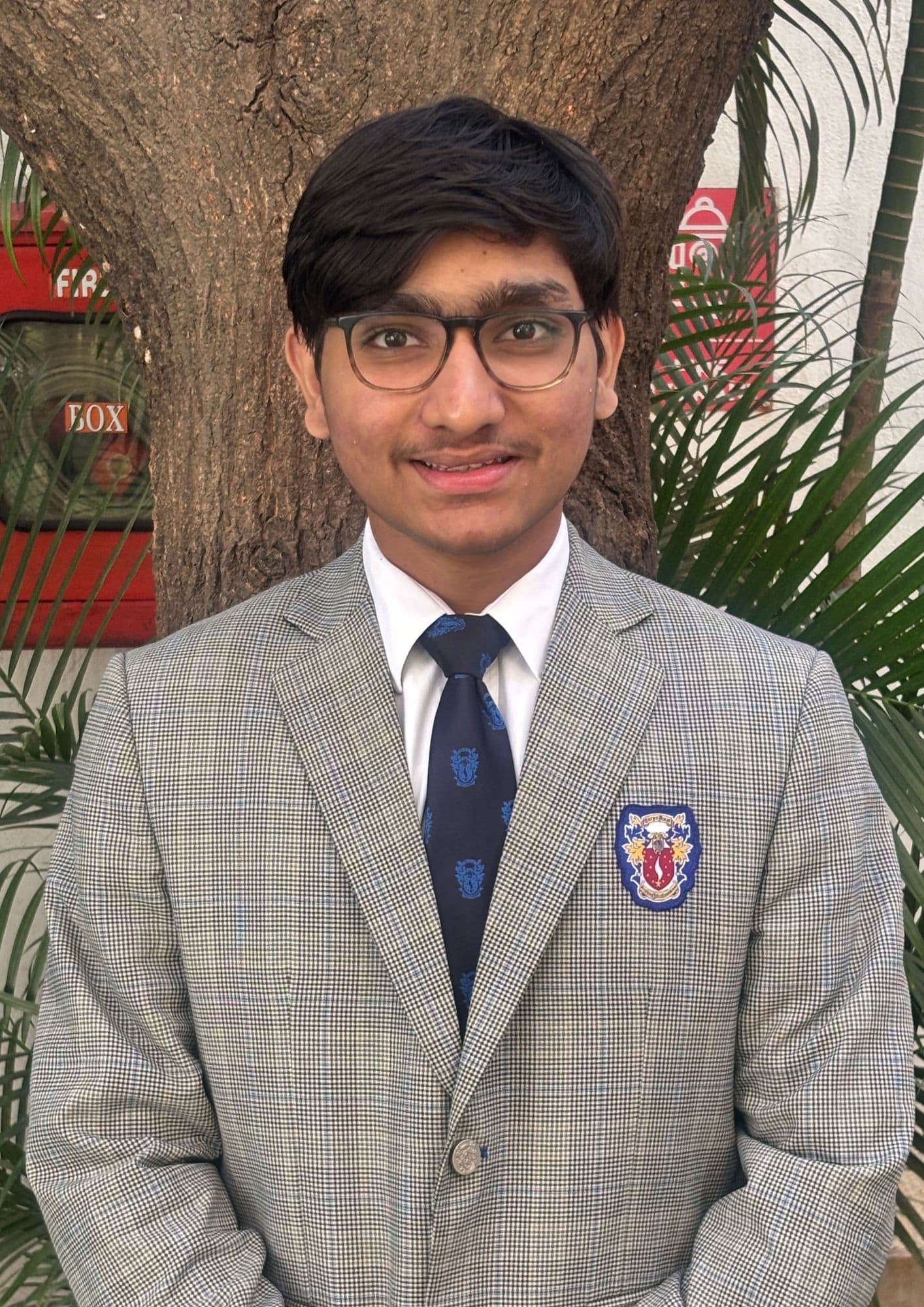
Aryan Jindal
Tech Head
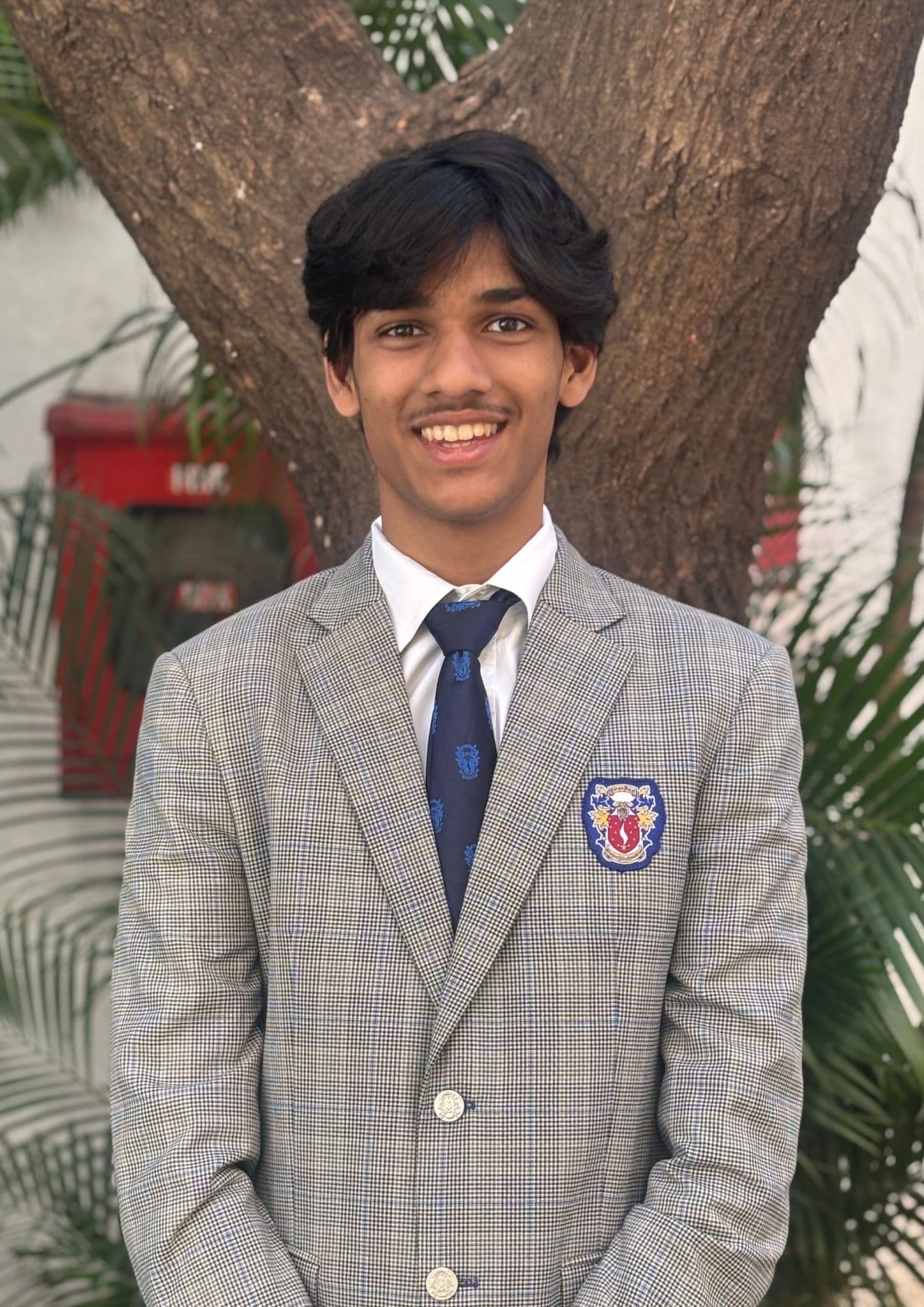
Sarthak Devrani
Joint Tech Head
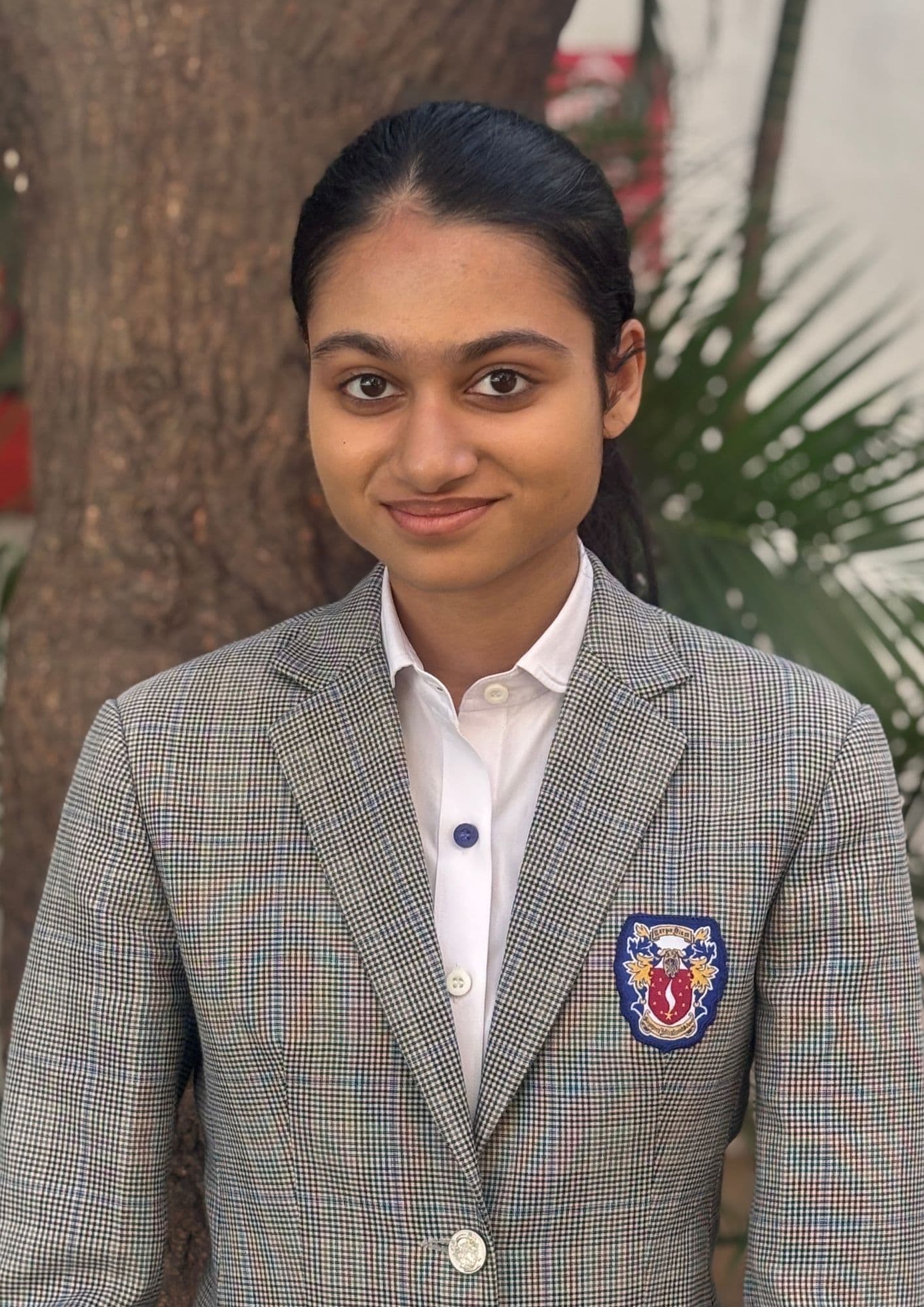
Ahana Patil
Design & Media Head
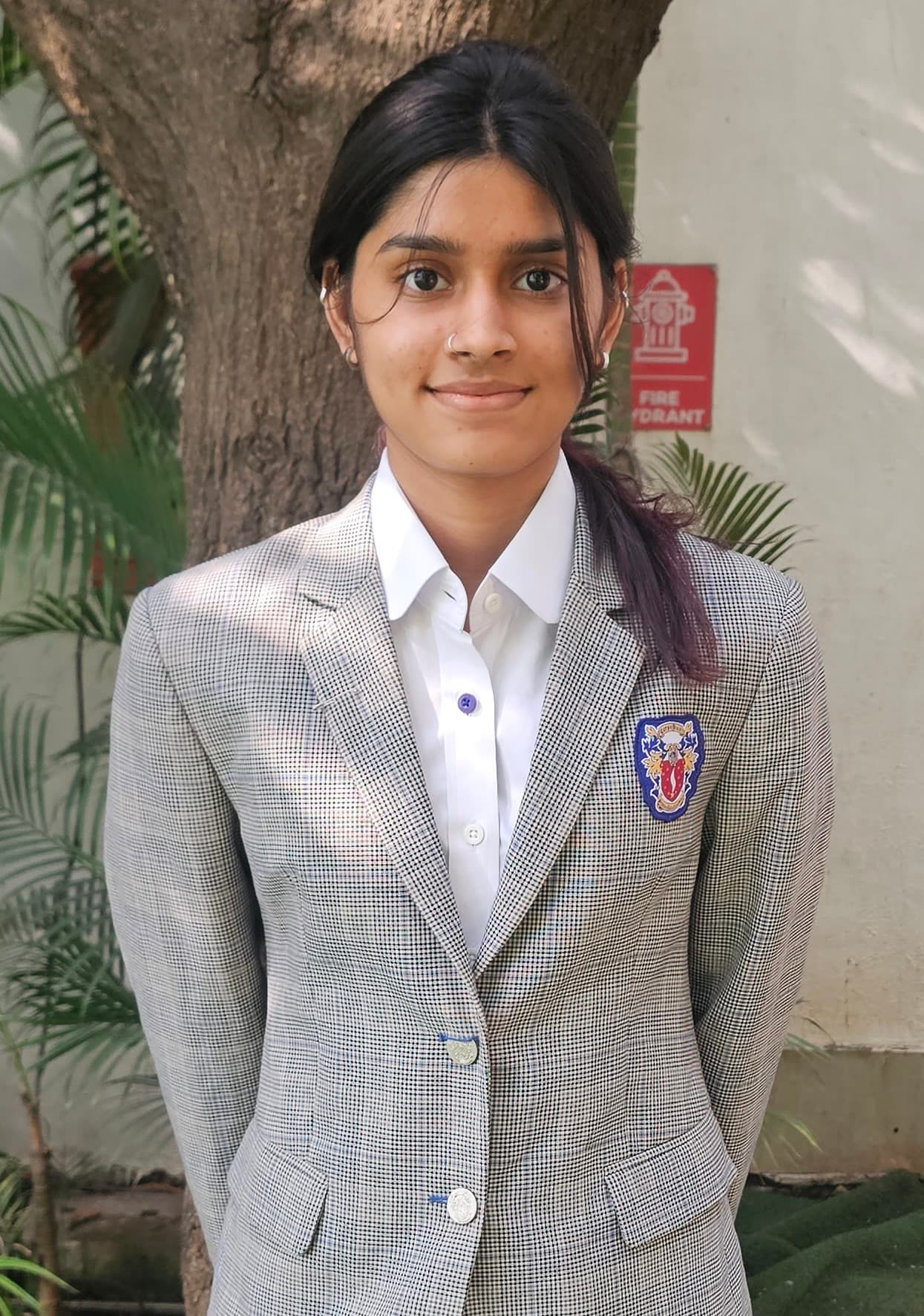
Tvesha Reddy
Joint Design & Media Head
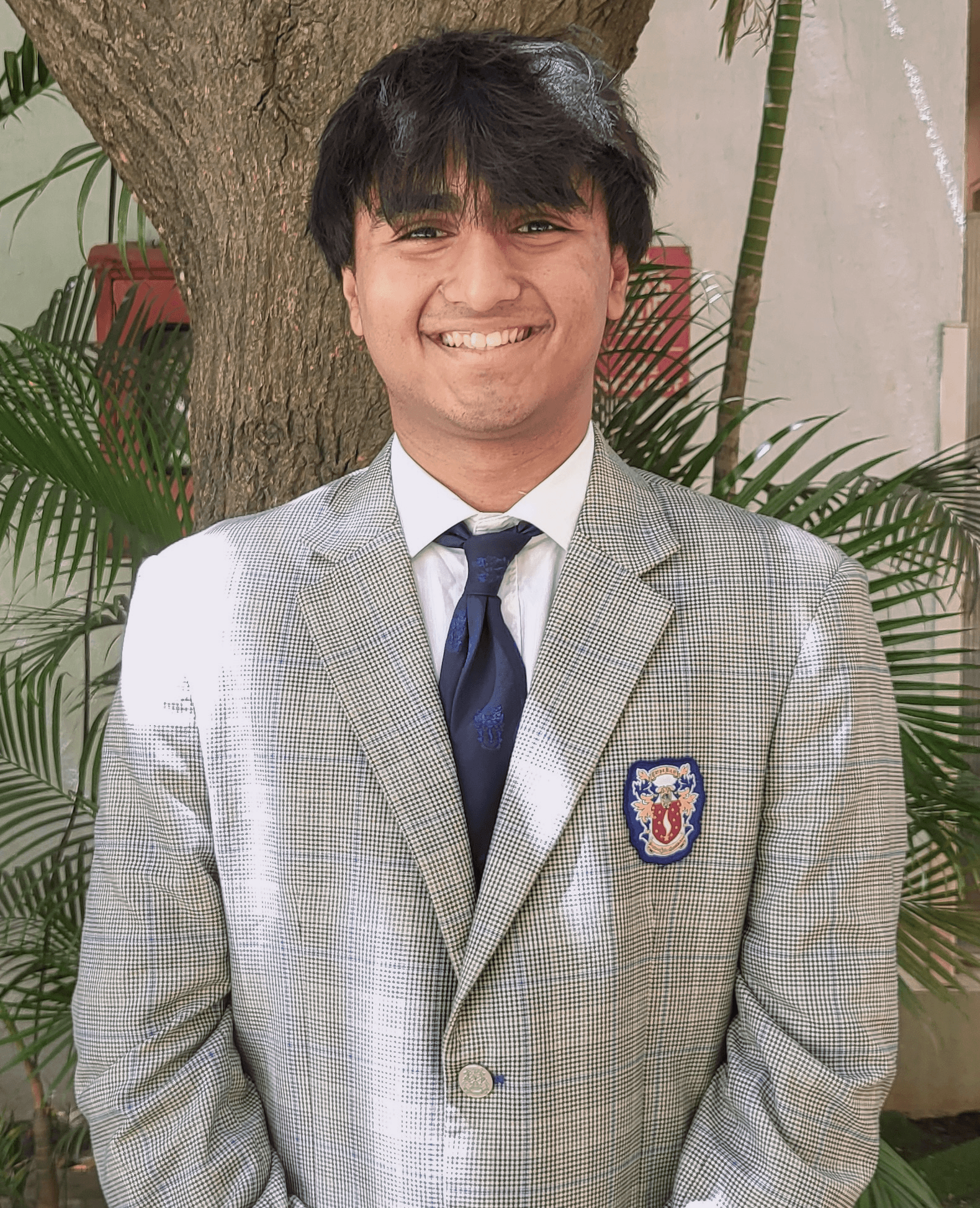
Harshit Garg
Joint Design & Media Head
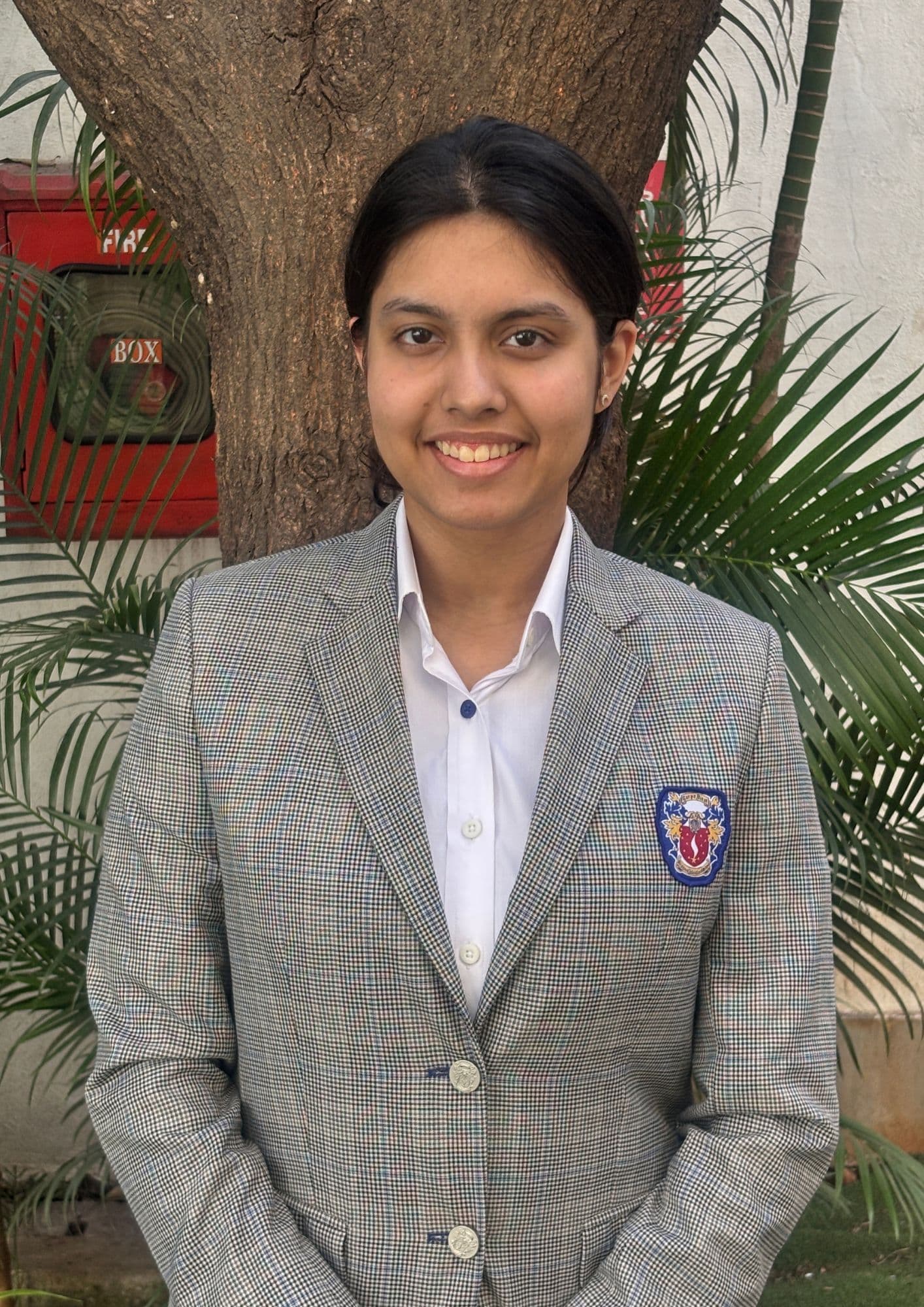
Tchia Pathare
Press Head
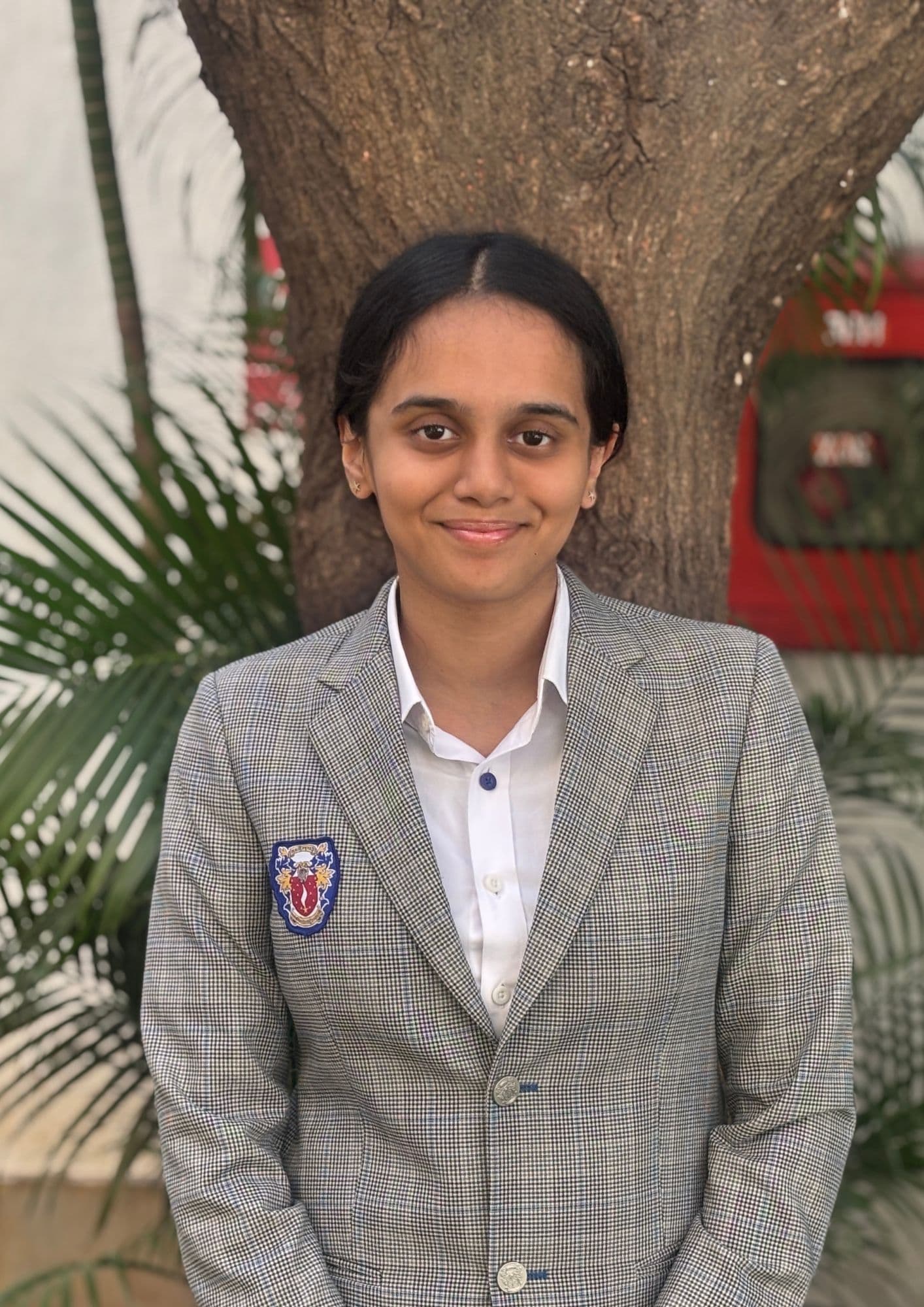
Saisha Swamy
Joint Press Head
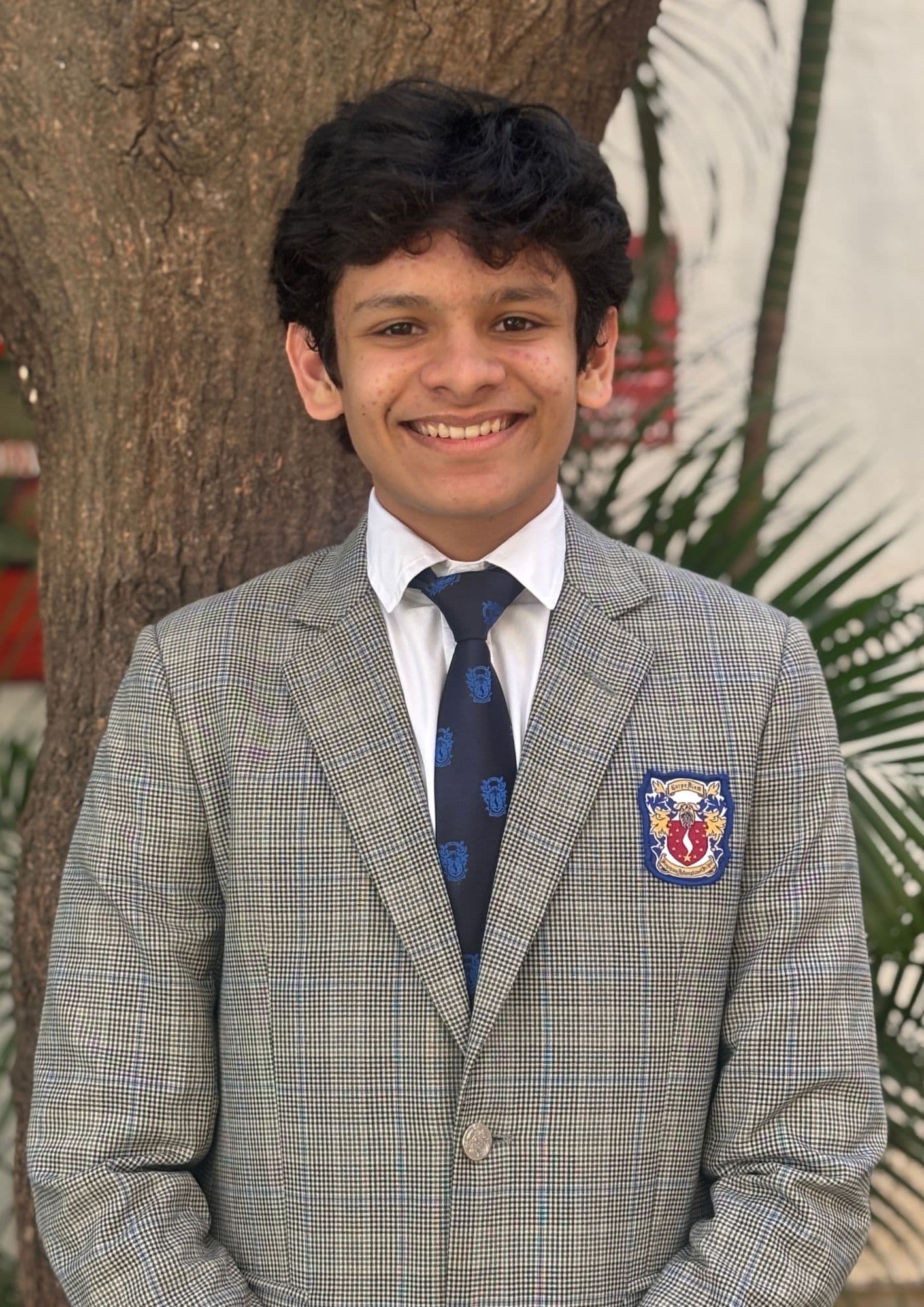
Parth Toprani
Logistics & Hospitality Head
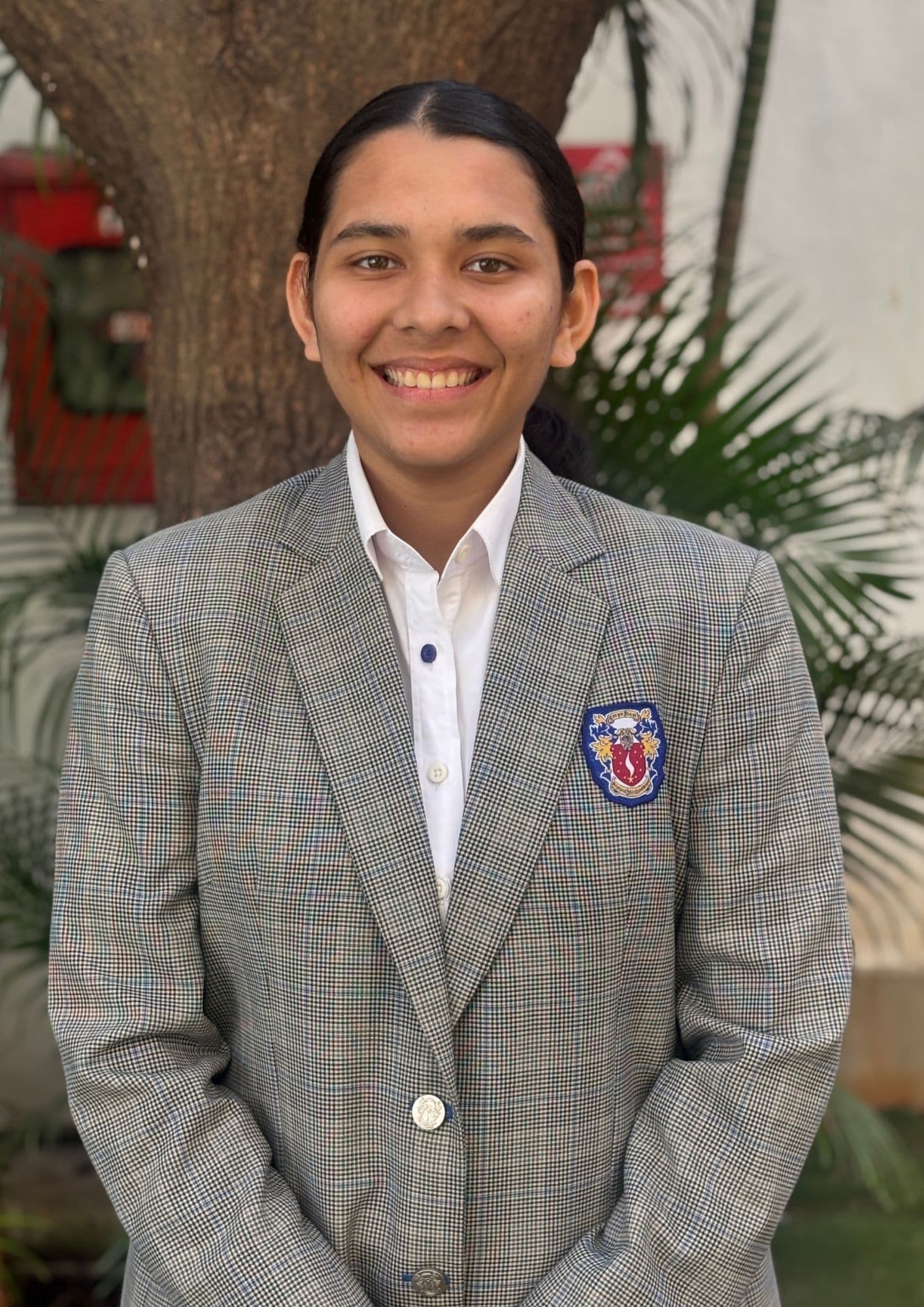
Mahi Kasat
Joint Logistics & Hospitality Head
Committees and Agendas
GA4
General Assembly 4: Special Political and Decolonisation Committee
The Question of Self-Determination Movements in Africa in the Post-Colonial Era in Somaliland.
The Role of The United Nations bodies in Facilitating the Decolonisation of Natural Resources in the Horn of Africa.
Addressing the decolonisation of natural resources and self-determination movements in the post-colonial era.
SC
Security Council
Aftereffects of the lasting Impact of Prolonged Warfare in Ukraine on Global Food Security, Energy Stability, and the present and future Credibility of International Security Guarantees.
Addressing the humanitarian crisis and threats to international peace and security, resulting from the Yemen conflict through the formation of an independent task force monitored by UN.
Safeguarding international peace and security amid global crises and humanitarian threats.
ECOSOC
Economic and Social Council
Emergency Measures to enhance food security and distribution of humanitarian aid in conflict zones across Sudan and South Sudan.
Ensuring equitable water sharing of Trans-boundary River Systems of South Asia for upholding Environmental safeguards and issues of Water Security.
Coordinating humanitarian aid and environmental safeguards for global stability.
HRC
Human Rights Council
The Impact of Socio-Political Instability, Armed Conflict, and Social Conservatism vis-a-vis the Rights of Gender-Divergent in Middle East.
Human Rights frameworks and the smooth transition towards a future elected Parliament in the light of Civil Unrest and Democratic Backsliding in Nepal.
Promoting and protecting human rights across diverse socio-political landscapes.
HSC
Historical Security Council
The implications of Cuban Missile Crisis and the Deployment of Strategic Weapons in the Caribbean.
Proposed formation of a future independent government with the prevalent Situation in East Pakistan.
Re-evaluating historical conflicts that shaped the modern world.
DISEC
Disarmament and International Security Committee
Regulating Lethal Autonomous Weapon Systems (LAWS) and Military Applications of Artificial Intelligence to Maintain International Peace and Security.
The question of granting Greenland conditional autonomy from the Kingdom of Denmark with regards to use of their own resources and a step towards nationhood.
Regulating emerging military applications and sovereignty questions.
SPC
Special Conference on Purview, Legal Sanctions and Legal Privileges governing Conflict Zones (Special Focus - Mandates of ICC)
The question of the Judicial Rights, privileges and Accountability for the Prisoners of Consciences taken from the Rohingya Population in Myanmar.
Setting up Truth and Reconciliation tribunal for Accountability of Crimes Against Humanity During the ongoing and still unfolding Venezuelan Political Crisis.
Pursuing justice and accountability for crimes against humanity.
UNEP
United Nations Environment Programme
Addressing the Degradation of Ecosystems and Strengthening Global Protection Frameworks with a focus on development projects in the Bay of Bengal Islands.
Strengthening global protection frameworks for endangered ecosystems. (SIS ONLY)
SISMUN Chronicles
The official publication of SISMUN Conclave 2026 — two editions released across the conference, documenting every defining moment as it unfolds.
Two Editions
Chronicles I — Day One
Opening ceremony, first committees in session, and the energy of Day One on the floor.
Chronicles II — Day Two
Final resolutions, closing ceremony, and the legacy of SISMUN Conclave 2026.
Registration Process for School Delegations
Step 1: Expression of Interest
- —Schools are required to indicate their intention to participate by completing the SISMUN 2026 Google Registration Form.
- —The form includes details of the school, the School MUN Director, and formal consent.
- —Form Link: https://forms.gle/8rZRG7U7MtCnjho47
- —Deadline: 20th July 2026
Step 2: Submission of Delegate Details and Registration Fees
- —Upon receipt of the Expression of Interest, the SISMUN Secretariat will share a Delegate Registration (Google) Form with the School MUN Director via email.
- —Schools are requested to circulate this form among interested students.
- —Students wishing to participate must complete the registration form, make the registration fee payment, and upload a copy of the payment receipt through the same form.
- —Registration Fee: ₹3,000 per student (Includes registration, snack breaks, lunch, and high tea on both conference days).
- —Chaperones: No registration fee.
- —Deadline: 20th July 2026
Payment Details
- — Account Name: Singapore International School
- — Account Number: 59202022786000
- — Bank: HDFC Bank, Mira Road Branch
- — IFSC Code: HDFC0006199
- — Account Type: Current
Study Guides, Committee Allocations, and Country Allocations will be shared with registered schools in mid-July 2026, following the verification of registration details and receipt of all applicable payments.
Special Note for Schools Reopening After the Conference:
Schools whose academic session begins after the first week of August (i.e., after the conference dates) may nominate independent delegates to participate in SISMUN 2026.
For detailed guidelines regarding independent delegate registration, kindly refer to the Independent Delegates tab above.
Rules of Participation
Delegation Size
The teams should preferably comprise 7-21 students per school (Grades 6-12).
Chaperones
A minimum of one teacher must accompany students on both days.
Dress Code
All delegates are required to wear formal Western business attire with appropriate footwear, reflecting the professionalism of United Nations diplomats.
Mandatory Attire:
- Formal trousers/pants (compulsory for all delegates)
- Formal shirts/blouses
- Blazers/suits (strongly recommended)
- Formal shoes
Not Permitted:
- Skirts or mini-skirts
- Denim of any kind (including jeans)
- Shorts or Casual Trousers
- T-shirts or Casual Tops
- Sneakers, Sports Shoes, Slippers, Sandals or Casual Footwear
- National dress or cultural attire
- Military uniforms or costume-style clothing
- Armbands or politically symbolic accessories
The dress code will be strictly enforced to maintain professionalism, uniformity, and respect within the conference environment.
Rules of Procedure
SISMUN 2026 will follow the latest THIMUN Rules of Procedure.
Attendance
Attendance on both conference days is mandatory. In case of absence, the school chaperone must inform the SISMUN 2026 Director before the start of the day. Delegates absent on either day will not be eligible for certificates or awards.
Diplomatic Conduct & Punctuality
Delegates must uphold diplomatic standards and be punctual for all committee sessions.
Meals
Externally brought food and beverages are prohibited. All meals will be provided by the host school.
Language
English is the formal medium of communication.
Use of Devices
The use of laptops and mobile phones is permitted during committee sessions only at the discretion of the Committee President and Deputy President. Delegates must comply with all instructions regarding device usage, and misuse may result in restriction of devices for the remainder of the session.
AI Usage Policy
Delegates may use AI tools before the conference for background understanding, concept clarification and research direction. AI must function only as a learning aid and not as a substitute for independent research or analysis.
The use of AI tools during live committee sessions is strictly prohibited, including generating speeches, drafting resolutions or amendments, or producing real-time responses.
Sustainability Policy
SISMUN 2026 is a green conference. We will avoid printing as far as possible. Participants are strongly discouraged from bringing single-use plastic bottles. We recommend bringing your own reusable bottles.
Safety and Well-being
SISMUN 2026 Safety & Well Being Guide
Security
- • Trained security personnel are stationed at the Main Entrance, Foyer, and every floor of the school building throughout the conference.
- • Carrying a valid school ID card is compulsory for entry into the school premises. If your school has not yet issued ID cards for the current academic year, you may carry your previous year's school ID card.
- • Entry will not be permitted without a valid school ID card.
- • No individual may enter or leave the school premises without proper authorisation.
CCTV Surveillance
- • The entire campus is monitored through 24×7 CCTV surveillance.
- • Continuous monitoring is carried out throughout the conference to ensure the safety of all participants.
Medical Services
Medical services will be available on both conference days.
Location: First Floor, next to the Sports Room.
Multiple Automated External Defibrillators (AEDs) are installed across the campus for emergency response.
Need Medical Assistance? Immediately approach any SISMUN Team Member or any SIS Faculty Member.
Fire Emergency
- • Remain calm.
- • Follow the instructions of SIS faculty members and security personnel.
- • Proceed in an orderly manner to the Football Field.
- • Do not run or create panic.
Meals and Refreshments
SISMUN 2026 Meals & Refreshments Guide
Breakfast
Breakfast boxes will be served in your Committee / Registration Room on both conference days.
Delegates are requested to remain in their committee rooms while breakfast is being served.
Lunch & High Tea
Lunch and High Tea will be served in the School Dining Hall (Basement).
To ensure smooth movement and avoid crowding:
- • Committees in Rooms 101–104 will be served first.
- • Committees in Rooms 105–108 will be served immediately afterwards.
Please follow the instructions of the SISMUN Team and your Executive Board while proceeding for meals.
Tuck Shop
A Tuck Shop is available for delegates who require snacks or refreshments.
Location: Tobasco Area, immediately inside the School's Main Gate.
Payment Mode: Digital Payments Only. Cash will not be accepted.
Please avoid unnecessary purchases during committee sessions.
Note
- • Singapore International School is a fully residential boarding school. All meals served during SISMUN are freshly prepared in our own kitchens under strict hygiene and food safety standards.
- • Outside food and beverages are not permitted inside the school premises.
- • Please dispose of all food boxes and other waste only in the designated dustbins. Do not leave food boxes in committee rooms, corridors, or anywhere else on campus.
- • Water dispensers have been installed across the campus for your convenience.
- • Delegates are encouraged to carry their own water bottles throughout the conference.
Pre-Conference Training
The SISMUN Pre-Conference Training Programme is designed to prepare delegates for a confident and meaningful participation in Model United Nations. The sessions will focus on the following key areas:
- ✦Foundations of Model United NationsUnderstanding the purpose, structure, significance, committees, and interpretation of agenda statements.
- ✦Research & Policy DevelopmentConducting structured country-wise and agenda-based research using credible sources, and developing well-informed national positions and policy perspectives.
- ✦THIMUN Rules of ProcedureMastering motions, points, debate flow, formal committee procedures, and diplomatic conduct aligned with international standards.
- ✦Resolution Drafting & AmendmentsLearning to draft strong preambulatory and operative clauses, and effectively propose, debate, and incorporate amendments.
- ✦Public Speaking & Negotiation SkillsStructuring impactful speeches, delivering persuasive interventions, and building consensus through strategic lobbying.
These training sessions aim to ensure that all delegates, including first-time participants, are academically prepared and confident before the conference.
Mode of Delivery:
All Pre-Conference Training Sessions will be conducted online via Google Meet/Zoom. The meeting links and joining details will be shared with registered delegates and schools in July 2026.
Training Session 1
Conducted By: Secretariat
Date: July 11, 2026
Day: Saturday
Time: 11 am to 1 pm
Training Session 2
Conducted By: Secretariat
Date: July 19, 2026
Day: Sunday
Time: 11 am to 1 pm
Training Session 3
Conducted By: Secretariat
Date: July 26, 2026
Day: Sunday
Time: 11 am to 1 pm
Training Session 4
Conducted By: Secretariat
Date: July 28, 2026
Day: Tuesday
Time: 6:30 pm to 8:00 pm
Conference Schedule
Dress Code: Formal Western Business Attire
Awards & Recognitions
Overall Best Policy & Research Delegation
To be eligible, a school must:
- Have a minimum delegation of seven (7) delegates; and
- Secure at least one Best Delegate Award.
The award will be presented to the eligible school with the highest cumulative score based on the following points system:
- Best Delegate – 31 points
- Best Delegate (Research) – 15 points
- High Commendation – 7 points
- Special Commendation – 3 points
- Commendation – 1 point
In the event of a tie, the winner will be determined based on the higher number of awards in the following order: Best Delegate, Best Delegate (Research), High Commendation, Special Commendation, and Commendation. If the tie still remains unresolved, the Best School Award will be declared a Joint Award.
Best Delegate
Awarded in each committee to the delegate who exemplifies outstanding research, mastery of procedure, persuasive articulation, and strategic leadership within that committee.
Best Delegate (Research)
Awarded in each committee to the delegate whose preparation reflects exceptional depth, evidence-based analysis, and comprehensive understanding of the assigned agenda.
High Commendation
Awarded in each committee to delegates who demonstrate exceptional analytical depth, sustained leadership in debate, and near-Best Delegate level performance throughout the conference.
Special Commendation
Awarded in each committee to delegates who show strong preparation, clear articulation, and consistent contribution to committee progress.
Commendation
Awarded in each committee to delegates who participate responsibly, display developing analytical skills, and contribute constructively to discussions.
Accommodation & Travel
(For Outstation Schools)
Schools are responsible for their own accommodation and transport arrangements. We recommend booking early due to high demand.
Royal Hometel Suites
D B OZONE, Western Express Hwy, Next to Thakur Mall, Ketkipada, Mira Road East, Mumbai, Maharashtra 401107
Booking Contact
02262950000 / reservations@sarovarhotels.com
The Fern Residency
Western Express Hwy, Opp. Daras Dhaba, Laxmi Baug, Kashimira, Mira Road East, Mumbai, Mira Bhayandar, Maharashtra 401107
Booking Contact
0124 458 0651 / crs@fernhotels.com
GCC Hotel & Clubs
Off Mira Bhayandar Road, 92/1, GCC Club Rd, Mira Road East, Maharashtra 401107
Booking Contact
8285638563, 8285638564 / reservation@gcchotelandclub.com
Seven Eleven Hotels & Clubs
8V2H+233, Beverly Park, Mira Road East, Mira Bhayandar, Maharashtra 401107
Booking Contact
9324907513 / reservation@sevenelevenclub.in
Hotel Sea 'N Rock
Thane Ghodbunder Road, Western Express Highway, Beside Thane Toll Naka, Mira Road East, Mumbai, Maharashtra 401104
Booking Contact
09820955711 / reservation@hotelseanrock.com
The Westin Garden City
Oberoi Garden City, International Business Park, Yashodham, Goregaon, Mumbai, Maharashtra 400063
Booking Contact
2261470000 / westin.mumbaigardencity@westin.com